
Simple Does Not Mean Easy
On choosing meaningful work over convenience.

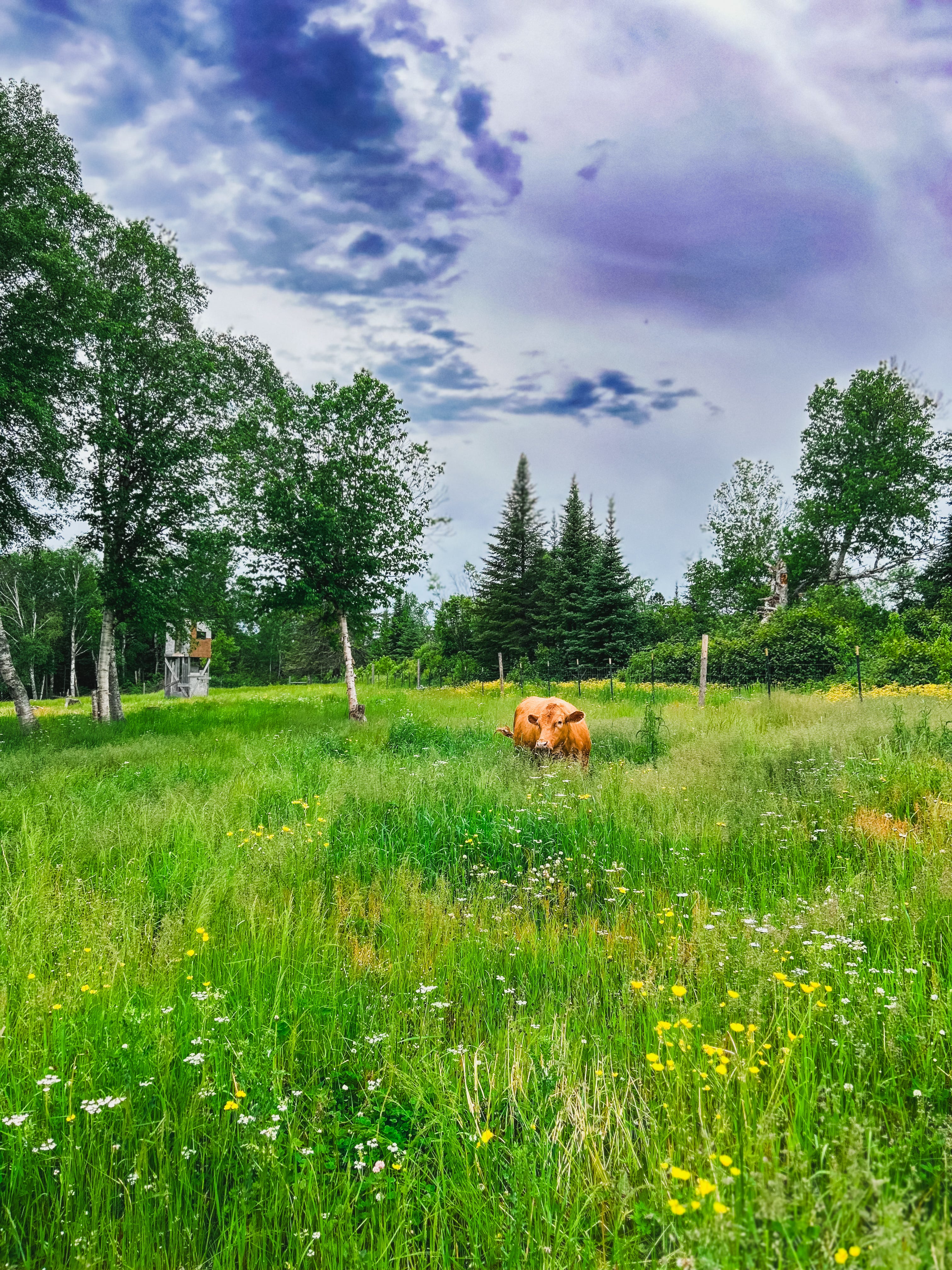
I recently watched a video of a farm family living what they called a “simple life.” The images themselves were unremarkable in the best possible way. Animals being cared for. Meals prepared at home. Children playing outside. Gardens being nurtured. A life shaped by seasons and daylight rather than convenience and speed. But the comments beneath the video were quick to object. People were eager to point out that there was nothing simple about it at all.
“Animals are a twenty-four-seven responsibility. You’ll never get to go anywhere!”
“Cooking from scratch? After working all day? Let’s be reasonable.”
“Gardening is harder than it looks. Way too much work for what you get.”
“Pretty pictures. But not realistic.”
And they weren’t necessarily wrong. Every one of those things is hard, and as someone who loves to take pretty pictures, I recognize that those photos don’t always tell the whole story. But what struck me was not the criticism itself, but the assumption behind it. Somewhere along the way, we began to believe that simple should mean easy.
We have come to use the word “simple” as shorthand for effortless, as though a simple life should remove difficulty, minimize responsibility, and smooth out the rough edges of daily living. But simplicity has never been about ease. Historically, it has been about clarity. About fewer layers between us and the things that sustain us. About directness rather than avoidance.
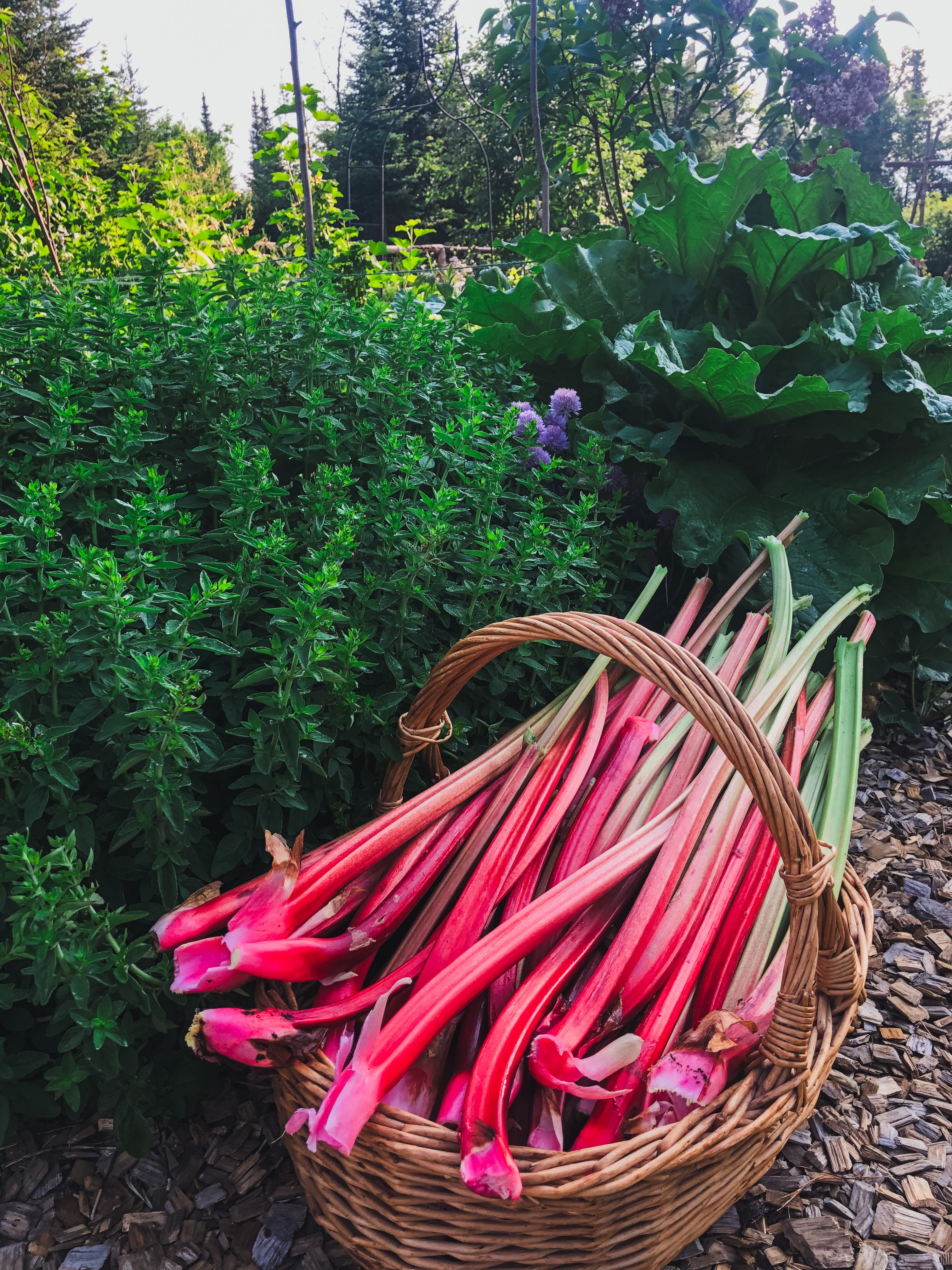
A simple life is not one without work (on the contrary, there is much work involved). It is one without unnecessary complication. When life is stripped down to essentials, the work does not disappear. It becomes more visible. And that visibility can feel confronting in a world that has grown accustomed to hiding effort behind systems and services.
Modern life promises ease, but it often delivers complexity instead. The effort we believe we are avoiding does not vanish. It is simply displaced.
We may no longer cook at home regularly, but we manage food constantly. We research and compare options, read reviews, juggle diets and schedules. Food becomes a chore. Meals are considered interruptions rather than anchors in the day. We eat at different times, in different places, often alone, often distracted. Food has lost its rhythm. Instead of shaping the day, it becomes something we fit in between obligations. What once provided structure now adds to the sense of chaos. We may spend less time at the stove, but far more time thinking about what to eat, when to eat, and how to make it work.
We may not tend animals, but we rely on supply chains we do not control and barely understand. We still depend on animals for all sorts of our needs, yet their care has been moved far from our sight and responsibility. The work has not disappeared, it has simply been transferred to distant systems designed to keep us from feeling its weight.
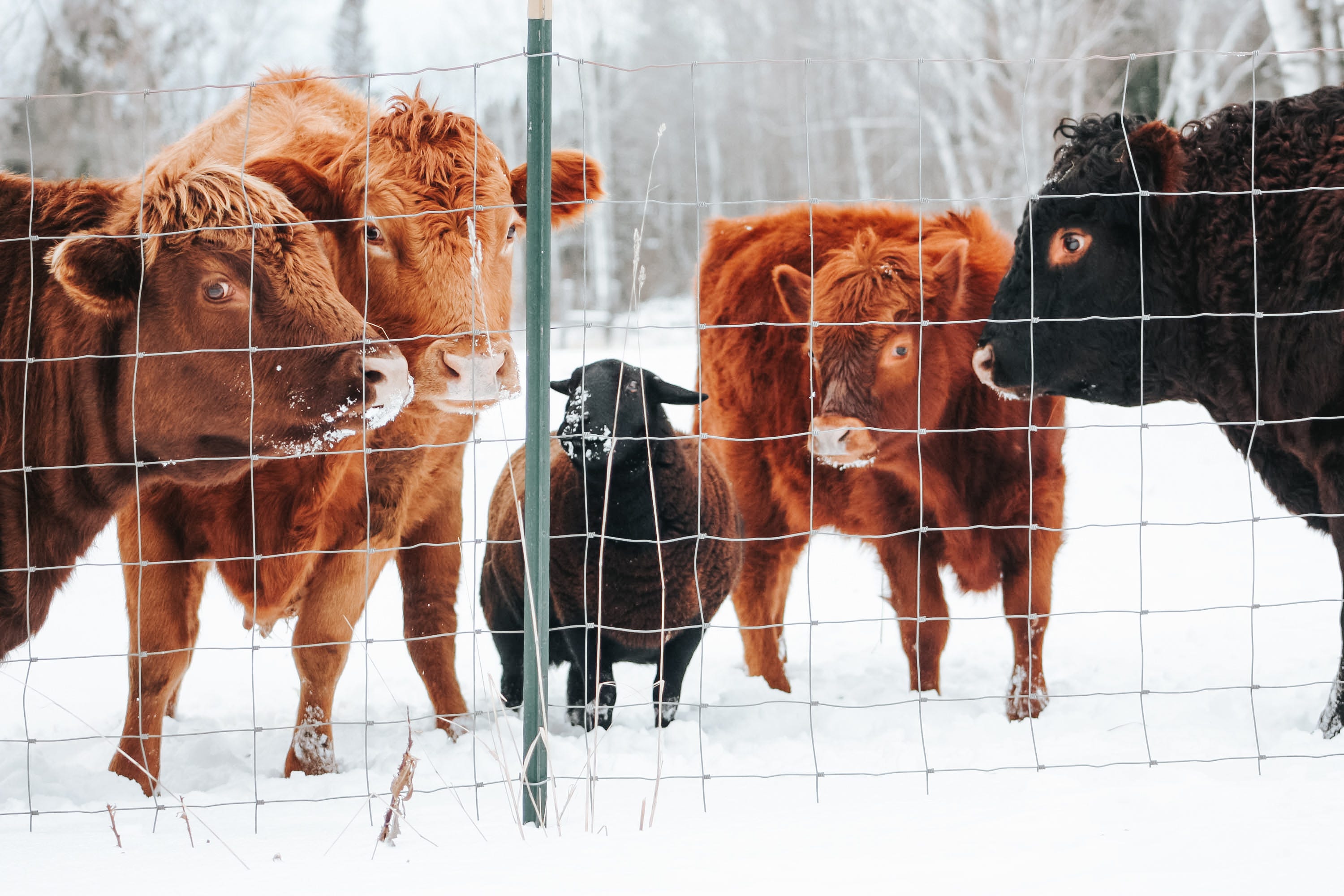
When animals are part of daily life, their needs are immediate and unmistakable. They require consistency, attention, and care, not endless decision-making or abstraction. Distance may feel easier, but it often replaces honest work with fragile dependence. Tending animals does not complicate life so much as it reveals what sustaining life has always required.
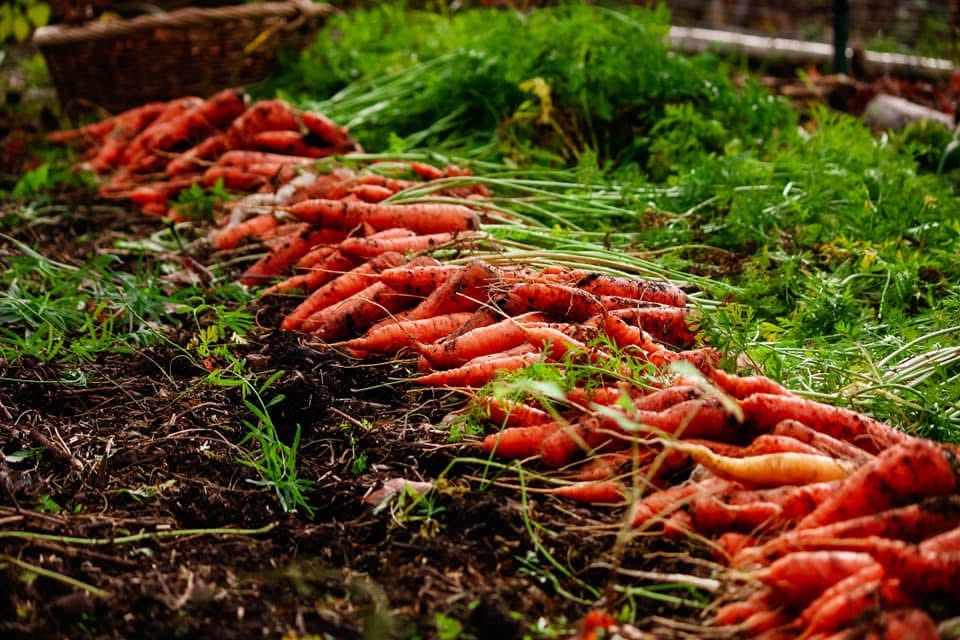
We may not grow food, but we navigate prices, shortages, substitutions, and endless choices. Not to mention questioning everything that may be in or on our food. What once required attention to soil, weather, and season now demands constant vigilance of labels, claims, and contradictions. We spend mental energy weighing organic versus conventional, local versus imported, fresh versus shelf-stable, all while trusting systems that remain largely invisible to us. Distance has not freed us from responsibility so much as it has multiplied our uncertainty.
Growing food may be labor-intensive, but it is straightforward. You plant, you tend, you wait, and you harvest. When food comes from your own ground, the mental load dissipates because the relationship you have with that food is intimately known. The effort is physical, but the mind is at ease knowing exactly where that nourishment came from.
So you see, the labor becomes less manual and more abstract. Instead of doing the work ourselves, we oversee it. Instead of participating directly, we manage from a distance. What is presented as an “easy” life often requires constant mental engagement, constant responsiveness, and constant decision-making, leaving us tired in a way that feels diffuse and difficult to name.
A simple life does not pretend the work will be light. It simply refuses to hide it. Caring for animals is not easy, but it is simple. Their needs are clear and non-negotiable. Cooking from scratch is not easy, but it is simple. Ingredients are transformed through time and attention into sustenance. Gardening is not easy, but it is simple. You prepare the soil, plant the seeds, wait, weed, and harvest. The responsibility is direct. The connection between action and outcome is intact. You know what your hands are doing, and you know why.
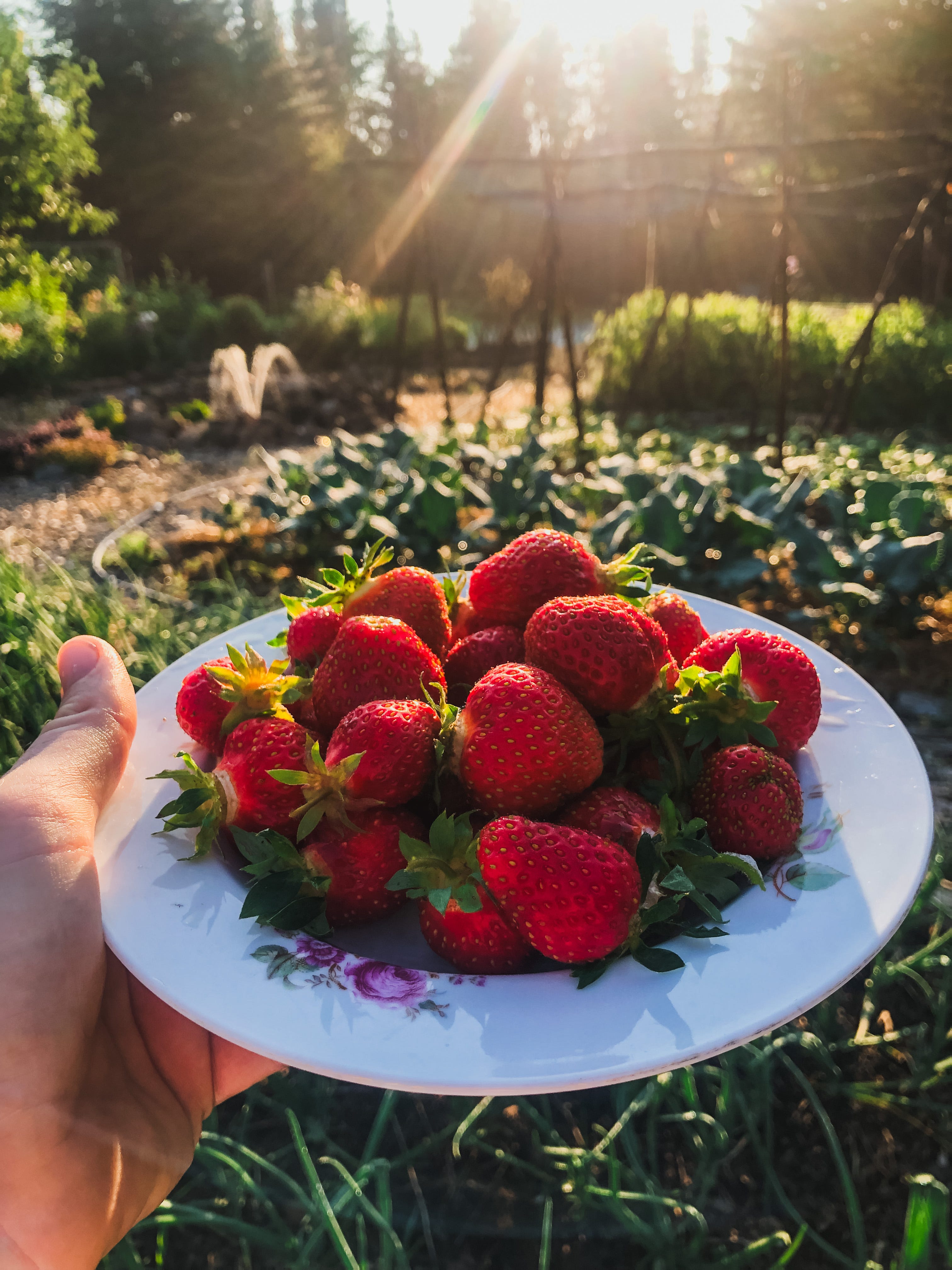
That clarity is what many mistake for ease. Simplicity concentrates effort rather than eliminating it. It brings work back into the open, where it can be felt, understood, and completed. There is a beginning and an end. A task finished. A meal made. An animal cared for. A garden tended. The work may be demanding, but it is whole. And that wholeness matters. When effort makes sense, it sustains rather than drains. It grounds us in reality. It gives shape to our days and coherence to our lives.
The “easy” life, by contrast, often feels endless. There is no clear finish line, no sense of completion. Tasks bleed into one another. Decisions pile up. We are busy without being anchored, active without being satisfied. Disconnected and therefore found wanting for the elementary things that have always made us human.
Simplicity removes that fog. It asks us to accept responsibility rather than avoid it. To trade convenience for competence. To participate fully rather than manage from afar. It does not offer escape from effort, but it does offer meaning within it.
Simple does not mean easy. It never has. It means accepting that worthwhile lives are built through work that cannot be outsourced. And while that work may be demanding, it grounds us in reality and leaves us with something solid beneath our feet.
In the end, simplicity is not about doing less. It is about doing what matters, even when it asks more of us. For some, that work is rooted in land and animals. For others, it is found in homes, relationships, and daily obligations that cannot be optimized away.
Simplicity is not a lifestyle aesthetic. It is a commitment to carry the weight of what sustains a life, whatever form that may take.

This was so good and full of truth! Simple doesn’t mean easy and hard doesn’t mean bad. There’s so much joy that can be found in the effort of living a simple life. 💗
“It becomes more visible. And that visibility can feel confronting in a world that has grown accustomed to hiding effort behind systems and services.” Couldn’t have said it better! We have been homesteading since 2016 and it is such a nuanced concept for so many in our lives we just stopped explaining the joy of the simpler life.